Thermal Desorption Unit
Thermal desorption units are a critical technology for the treatment of oil sludge, offering an environmentally friendly and efficient solution for hydrocarbon recovery and waste management.
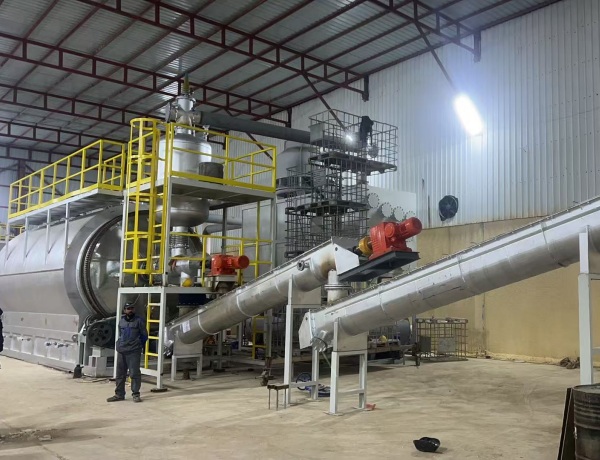
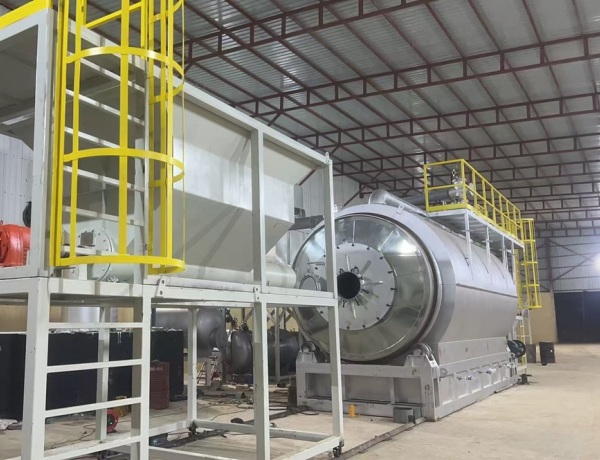
A Thermal Desorption Unit (TDU) is a specialized system used for the treatment of drilling cuttings, oil sludge, and hazardous waste material generated during oil exploration, production, refining, and storage. Oil sludge typically consists of a mixture of oil, water, solids, and heavy hydrocarbons, making it challenging to treat and dispose of safely. Thermal desorption is a highly effective method for separating and recovering hydrocarbons from the sludge while minimizing environmental impact.
How a Thermal Desorption Unit Works:
1. Feed Preparation:
– Oil sludge is pre-treated to remove large debris and homogenized to ensure consistent processing.
– The sludge is then fed into the TDU system, often using a screw conveyor or pump or excavator.
2. Heating and Volatilization:
– The sludge is heated in a controlled environment, typically in a rotary kiln or thermal desorption chamber.
– The temperature is carefully regulated (usually between 250°C and 600°C, depending on the sludge composition) to volatilize the hydrocarbons and water without causing combustion.
3. Separation of Components:
– The heat causes the oil and water to evaporate, leaving behind the solid residues.
– The vaporized hydrocarbons and water are then separated from the solids.
4. Vapor Treatment:
– The vapor stream is passed through a series of condensers and separators to recover the oil and water.
– Recovered oil can be recycled or reused, while the water is treated to meet discharge standards.
5. Solid Residue Handling:
– The remaining solids, now free of hydrocarbons, are cooled and discharged.
– These solids are often non-hazardous and can be safely disposed of or used in construction or landfilling.
6. Emission Control:
– Any remaining gases are treated using scrubbers, filters, or thermal oxidizers to remove pollutants before being released into the atmosphere.
Key Features of a Thermal Desorption Unit:
– High Efficiency: Capable of recovering up to 99% of hydrocarbons from oil sludge.
– Versatility: Can handle a wide range of oil sludge types and compositions.
– Environmental Compliance: Meets strict environmental regulations by minimizing emissions and hazardous waste.
– Scalability: Available in various sizes to accommodate different volumes of sludge.
Applications of Thermal Desorption Units:
– Oil Refineries: Treatment of tank bottom sludge and oily waste.
– Oil Exploration and Production: Cleaning up drilling mud and cuttings.
– Waste Management Facilities: Processing hazardous waste containing hydrocarbons.
– Soil Remediation: Treating contaminated soil from oil spills or industrial sites.
Advantages of Thermal Desorption:
– Resource Recovery: Recovers valuable oil for reuse, reducing waste and costs.
– Volume Reduction: Significantly reduces the volume of hazardous waste.
– Non-Combustion Process: Operates at temperatures below combustion levels, reducing the risk of harmful emissions.
– Compliance: Helps industries comply with environmental regulations for hazardous waste disposal.
Thermal desorption units are a critical technology for the treatment of oil sludge, offering an environmentally friendly and efficient solution for hydrocarbon recovery and waste management. By converting hazardous waste into reusable resources, TDUs play a vital role in promoting sustainability and regulatory compliance in the oil and gas industry.